
Are You Experiencing a Dark Night of the Soul? Symptoms and Astrological Triggers
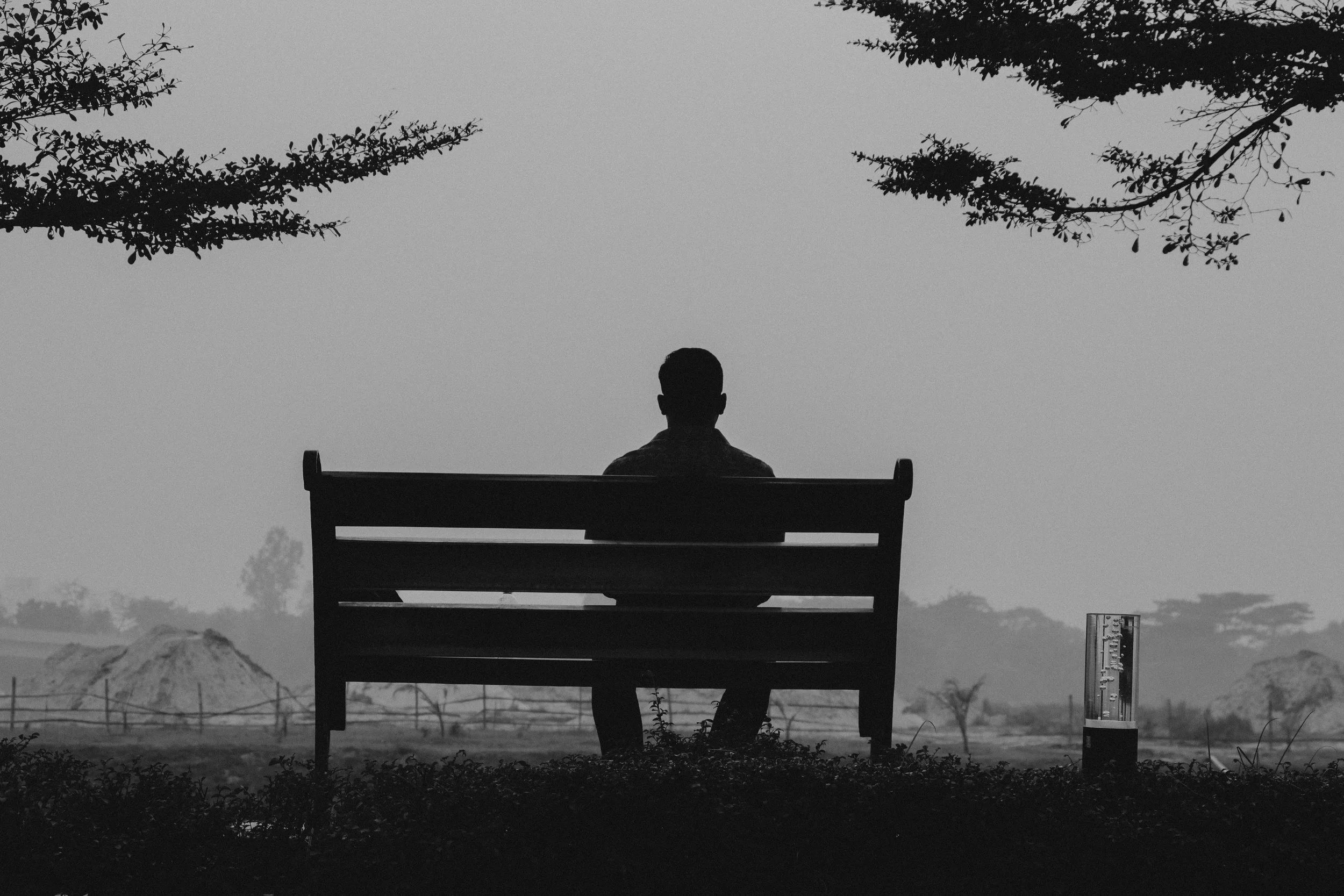
There comes a time in many lives—quietly, painfully—when the ground falls out from beneath us. The things we thought we believed no longer make sense, and the life we built no longer fits. We cannot go back, but we do not know how to go forward.
If you are reading this, you are likely exhausted. You might be feeling a profound sense of existential emptiness or questioning every choice that has led you to where you are today. You are not broken, and you are not failing. You are likely in the middle of what mystics and psychologists call the Dark Night of the Soul.
In this guide, we will explore exactly what the Dark Night of the Soul is, how it differs from standard psychological depression, the core symptoms you are experiencing, and the powerful astrological transits—like Pluto squares and your Saturn Return—that trigger this profound life reset.
What Is the Dark Night of the Soul?
The term “dark night of the soul” originates with the sixteenth-century Spanish mystic and poet, John of the Cross. He used it to describe a period of profound spiritual and existential desolation in which an individual loses access to the meanings and identities that previously organized their inner life.
In depth psychology, this period is often viewed as a confrontation with the unconscious and an encounter with the shadow. It is a critical stage of spiritual awakening characterized by deep inner turmoil, loss of meaning, and a confrontation with the most hidden aspects of the self. It often arises after painful events or moments of crisis that shake internal structures and force a rethinking of life's direction.
The Dark Night of the Soul is the experience of your old self becoming uninhabitable before your new self has arrived. It is the darkness of the in-between—the dissolution that must happen before genuine transformation can take place.
Spiritual Depression vs. Psychological Depression
A vital distinction to make is the difference between a Dark Night and clinical depression. The relationship between the two is genuinely complex, as the symptoms can overlap significantly, including low mood, loss of interest, and a sense of meaninglessness.
However, unlike psychological depression, a Dark Night of the Soul cannot be cured purely through behavioral therapy or rectifying chemical imbalances. Rather, it is a spiritual journey through the darkness as part of a transformative process. During a clinical depression, vital energy tends to decrease drastically, often resulting in apathy and a total lack of motivation for basic tasks. In contrast, those going through a Dark Night are often immersed in an existential quest; their suffering is accompanied by deep questions about purpose, truth, and the meaning of life. It carries a quality of seeking rather than pure blankness.
(Note: It is always essential to consult a medical professional to rule out a treatable depressive disorder, as leaving clinical depression untreated can cause real and preventable suffering.)
The Core Symptoms: How to Know You Are in the Dark Night
The Dark Night of the Soul experience is different for everyone, but there are certain emotional, mental, and physical patterns that many people share. If you are currently navigating this threshold, you will likely recognize the following symptoms:
Loss of Purpose: You feel that nothing that used to motivate you makes sense, and the goals that previously drove you no longer represent who you are.
Existential Emptiness: You may feel an inner loneliness or as though something fundamental has been drained from life. Joy can feel distant, and familiar relationships may feel entirely different.
Spiritual Disconnection: You are overcome with the feeling that you are disconnected from the divine, the universe, or any form of spirituality that previously sustained you. This can be deeply frightening if faith once provided you comfort.
Voluntary Isolation: You prefer to be alone and avoid social contact. Solitude becomes a necessity to process the profound internal shifts you are experiencing.
Ego Rupture: There is a powerful urge to let go of roles, masks, or expectations that no longer align with who you truly are.
Intense and Contradictory Emotions: You experience deep sadness, anxiety, anger, or despair without a clear external cause, as these emotions seem to arise from a very internal place.
Physical Exhaustion: The body responds to inner change, often resulting in physical symptoms like sleep disruption, heaviness in the chest, and feeling unusually sensitive.
The Astrological Triggers: The Cosmic Architecture of Crisis
In astro-psychology, we understand that these intense periods of psychological breakdown do not happen randomly. They are often triggered by heavy, slow-moving planetary transits that demand evolution. When the cosmos decides it is time for you to grow, it will strip away the false certainties you have built your life upon.
Here are the primary astrological events that initiate a Dark Night of the Soul:
1. The Pluto Transits: Death and Rebirth
Pluto is the outermost planet of our solar system and is associated with the Lord of the Underworld. In modern astrology, Pluto weaves the story of our fears, obsessions, secrets, and power. When Pluto transits critical points in your chart, it empowers, twists, distorts, and deconstructs.
A Dark Night of the Soul is frequently triggered by hard Pluto transits, such as:
Pluto Conjunct the Sun or Moon: This can initiate an identity crisis and represent a time of deep, albeit challenging, growth. It often forces the metaphorical "death" of an old identity so that a new one can emerge.
Pluto Square the Moon: This transit brings intense emotional upheaval and is heavily associated with the Dark Night experience.
Pluto transits act like surgery; they remove what destroys our growth and expansion, but this process comes with risks, shocks, and profound discomfort. As Pluto forces you to face the void, old habits and situations are destroyed to make room for the new.
2. The Saturn Return and Hard Saturn Transits
Saturn is the planet associated with the limits of reality, rules, and restrictions. It is the great cosmic teacher that demands discipline and authenticity.
The Saturn Return: Occurring roughly between the ages of 28 to 30 (and again between 57 to 60), the Saturn Return is a famous astrological milestone. It corresponds to a time when our resolve is tested, and we are forced to undergo a reality check regarding our boundaries, commitments, and life path. It is a time of endings and new beginnings that align more closely with your soul's true direction.
Saturn Squares and Conjunctions: Transits like Saturn conjunct the Moon or squaring the Moon can feel highly restrictive and depressing, causing significant emotional pain and bringing a profound sense of limitation.
3. The 12th House Transits: The House of Isolation
In astrology, the 12th house represents hidden things, the unconscious, loneliness, and isolation. It is considered one of the most challenging houses, calling you to deepen your relationship with the unseen world. When heavy planets like Mars or Saturn transit your 12th house, life can feel exceptionally challenging and lonely, heavily echoing the isolation of the Dark Night of the Soul.
Surrender to the Night
If you are in the dark, please do not rush to fix yourself. The dark night demands surrender; it is not a punishment, but a passage. You do not “heal” from the dark night—you emerge from it slowly and tenderly as your old self breaks down to make room for a more authentic, grounded existence.
Are you feeling the weight of a Pluto transit or the intense pressure of your Saturn Return? Understanding the cosmic timeline behind your pain can provide profound relief and strategy.
Let’s decode your personal cosmic chart. Book an astro-psychology reading with Projekt Moksha today to map your current transits and discover exactly what your soul is trying to shed—and what it is preparing to birth.